What if we began looking at the land around our homes and communities not simply as space to maintain, but as a resource capable of providing for us?
For generations, we've invested in properties primarily for the homes built upon them, often overlooking the potential of the land itself. Across our cities and suburbs are millions of acres of lawns and underutilized landscapes that could be growing food, managing rainwater, supporting local ecosystems, or simply reducing the resources required to maintain them.
I envision a future where we integrate ourselves more intelligently with these environments, recognizing that the land we occupy can become an active part of our prosperity and stability.
As global production markets shift, supply chains face uncertainty, and the costs of necessities fluctuate, perhaps it's time to reconsider how dependent we've become on systems beyond our control. We may not influence global markets, but we can influence what happens in our own backyards. Producing even a portion of what we consume, conserving resources, and making better use of what we already own offers a degree of independence and security.
The challenge is that much of this potential remains inaccessible without the knowledge to recognize and utilize it. How many property owners truly understand their soil, the resources available to them, or what their land could support?
I often think about the California Gold Rush, when thousands traveled west in search of opportunity. While prospectors searched for gold, others supplied the shovels and equipment that made their efforts possible. The shovel itself held no fortune, but it gave people the ability to pursue opportunities otherwise beyond their reach.
I believe we're approaching a similar opportunity, only this time we aren't searching for gold buried beneath the ground. We're learning how to create value from the land we've been standing on all along.
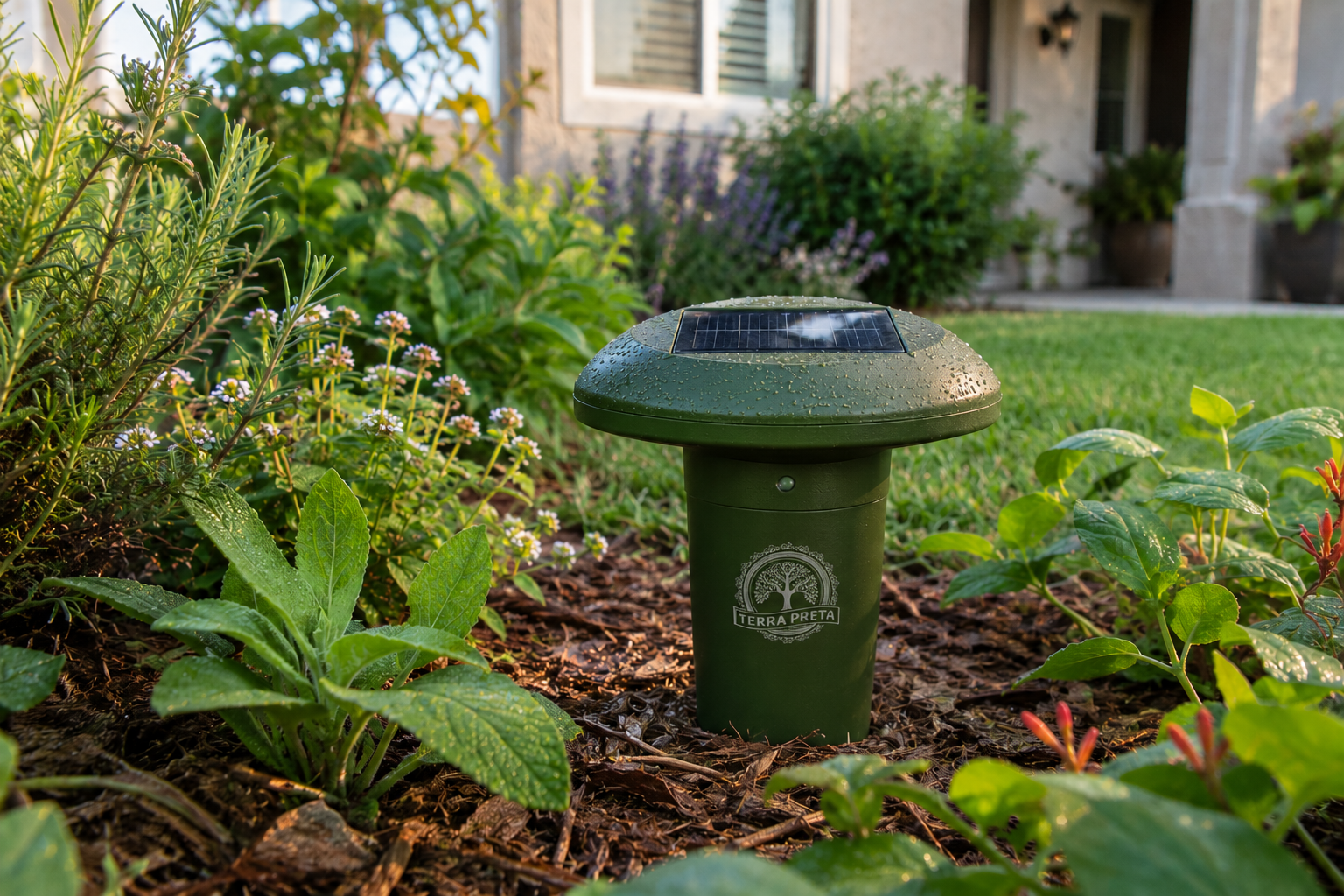
This is part of the thinking behind MESA, the environmental intelligence system we're developing at Terra Preta. I see it as an intellectual shovel, a tool that makes environmental knowledge accessible and gives people the ability to better understand and utilize their surroundings.
Imagine neighborhoods where productive gardens are commonplace, rainwater is treated as a resource, landscapes support biodiversity, and property owners understand how to work alongside natural systems. Not abandoning modern conveniences, but building greater independence and capability within our own communities.
Perhaps the next stage of progress isn't simply about expanding outward, but discovering how much more the environments we already occupy could offer.
We aren't selling the gold. We're interested in giving people the knowledge and tools to create it for themselves.
The opportunity may have been beneath our feet all along.